How Can Scaffolding Solutions Enhance Project Flexibility?
Scaffolding is an essential part of construction and maintenance projects. It serves as a temporary structure to support workers, materials, and tools, enabling safe and efficient work at elevated heights.
Scaffolding is an essential part of construction and maintenance projects. It serves as a temporary structure to support workers, materials, and tools, enabling safe and efficient work at elevated heights. However, in today’s dynamic construction landscape, aluminum windows and doors demand greater flexibility to accommodate changes in scope, timeline, or environmental conditions. Scaffolding solutions have evolved over time to meet these demands and significantly enhance project flexibility. This article explores how modern scaffolding systems contribute to more adaptable construction projects and their benefits in terms of efficiency, safety, and cost-effectiveness.
1. Customizable Designs to Fit Project Needs
One of the key ways scaffolding solutions enhance project flexibility is through customizable designs. Scaffolding systems can be tailored to the specific needs of a project, regardless of its size, complexity, or environment. Unlike traditional fixed structures, modern scaffolding solutions are modular, meaning they consist of interchangeable components that can be easily adapted and configured to fit different shapes, heights, and requirements.
For example, in a large construction project such as a multi-story building or industrial facility, scaffolding can be designed to follow the building’s layout, ensuring maximum efficiency in supporting workers and materials. Similarly, for maintenance or renovation projects in older buildings with irregular shapes or structures, scaffolding can be adjusted and modified to fit into hard-to-reach areas.
This adaptability allows scaffolding solutions to accommodate various project requirements, including changes to the layout, access points, or even unexpected design alterations. With modular systems, project managers can quickly adjust scaffolding to meet evolving needs, minimizing delays and improving overall project efficiency.
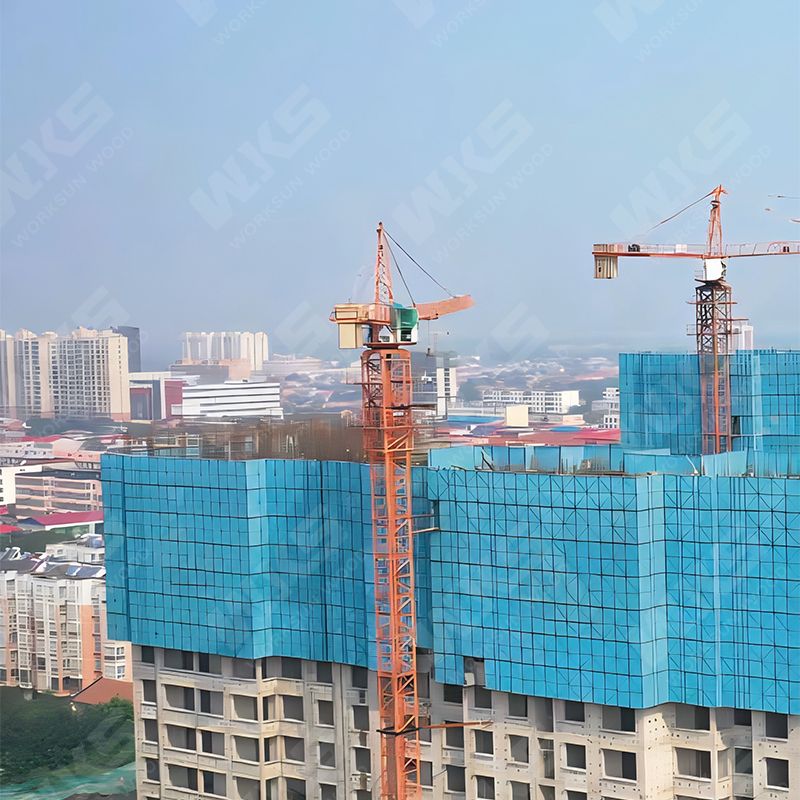
Self-Climbing Facade Protection Scaffold
2. Ease of Installation and Dismantling
Traditional scaffolding systems were often cumbersome to install and dismantle, leading to increased labor costs and longer project timelines. Modern scaffolding solutions have been designed for quicker and easier assembly and disassembly, improving the flexibility of project schedules.
For example, systems like rolling scaffolds and frame scaffolds are designed to be quickly erected with fewer tools and less manpower. These scaffolds are lightweight and feature advanced locking mechanisms that allow workers to assemble them in a fraction of the time compared to traditional scaffolding methods. When a project changes direction or deadlines shift, scaffolding can be disassembled and reinstalled without significant downtime or additional costs.
The ability to install and dismantle scaffolding quickly also contributes to cost savings, as contractors can use the same scaffolding components for different parts of a project or across multiple sites. This reduces the need for new materials and lowers overall project expenses.
3. Flexibility in Access and Height Adjustments
Construction projects frequently require access at varying heights, with certain areas needing scaffolding to reach higher floors or rooftops. Traditional scaffolding required significant reworking for height adjustments, whereas modern scaffolding solutions provide greater flexibility in this regard.
Adjustable scaffolding systems allow project managers to easily modify the height of the scaffolding as work progresses. By using adjustable frames, ledgers, and braces, scaffolds can be raised or lowered to accommodate changes in the project’s timeline or construction phases. This flexibility makes it easier to keep workers safe while ensuring that the scaffolding continues to meet the necessary requirements of the job.
Moreover, some scaffolding systems, such as aerial work platforms or lifts, allow for access to hard-to-reach areas with ease. These mobile scaffolds can be moved vertically and horizontally, providing flexible solutions for projects that require access to various locations or workspaces on a construction site. The mobility of these scaffolds enables workers to navigate the site efficiently, minimizing downtime and enhancing productivity.
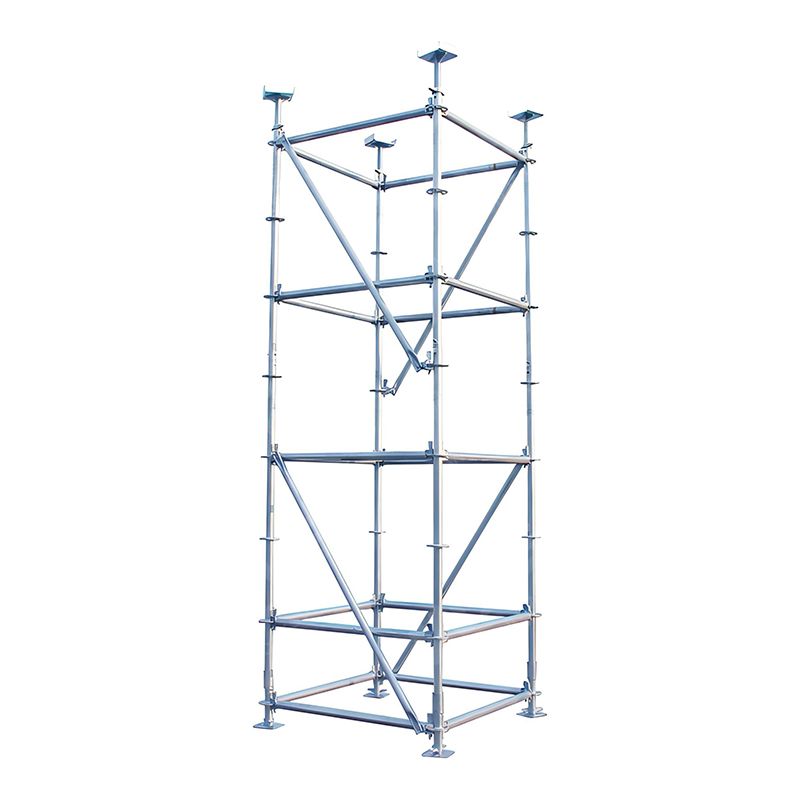
Ring-Lock Scaffold
4. Adaptability to Various Environmental Conditions
In outdoor construction projects, environmental conditions such as weather, terrain, and seasonal changes can pose significant challenges. Scaffolding solutions have evolved to adapt to these factors, improving project flexibility.
For instance, scaffolding systems designed for use in adverse weather conditions, such as wind or heavy rain, ensure that workers remain safe regardless of the environment. Some scaffolding solutions incorporate weather-resistant materials or covers, which protect both workers and materials from the elements, allowing work to continue even during unfavorable conditions.
Additionally, scaffolding systems can be adapted to different terrains, such as uneven ground or slopes. With adjustable base plates or wheels, scaffolding can be leveled and secured on uneven surfaces, ensuring stability and safety in various environments. This flexibility is particularly valuable for projects located in challenging environments, such as mountainous areas or sites with poor soil conditions.
5. Reduced Risk of Delays and Cost Overruns
The flexibility of modern scaffolding solutions contributes to reducing the risk of delays and cost overruns, which are common challenges in construction projects. With adaptable scaffolding systems, contractors can more easily respond to unforeseen changes in project scope, timelines, or budget.
For example, if unexpected changes occur in the design or layout of a building, scaffolding can be quickly modified to accommodate the new requirements. This minimizes the need for extensive rework or delays that could extend the project’s timeline. Similarly, when projects experience unforeseen issues, such as adverse weather or changes in regulations, the ability to quickly adjust scaffolding solutions ensures that work can continue without interruption.
Moreover, the reduced installation and dismantling time associated with modern scaffolding solutions helps to keep labor costs in check. Contractors can allocate resources more effectively, optimizing the use of scaffolding throughout the project and avoiding unnecessary expenses.
6. Enhanced Safety and Worker Productivity
Safety is a critical concern in any construction project, and scaffolding solutions play a crucial role in ensuring a secure working environment. Flexible scaffolding systems allow for easier modifications to access points and work surfaces, improving safety across various stages of a project.
For example, adjustable guardrails, secure footing, and stable platforms are features of modern scaffolding systems that can be customized for each project. These systems ensure that workers are protected from falls, which are a leading cause of construction-related injuries. Additionally, scaffolding can be adjusted to provide adequate support for tools and materials, improving overall productivity.
With scaffolding solutions designed for quick setup and modifications, workers can remain focused on their tasks without worrying about safety concerns or wasting time on reconfiguring scaffolding. As a result, the flexibility of scaffolding systems contributes to greater worker productivity and improved project outcomes.
Conclusion
In conclusion, scaffolding solutions play a vital role in enhancing the flexibility of construction projects. The ability to customize designs, quickly install and dismantle scaffolding, adjust height and access points, adapt to environmental conditions, and reduce the risk of delays or cost overruns allows construction teams to respond effectively to changing project needs. By improving safety, productivity, and overall efficiency, modern scaffolding systems offer a versatile and reliable solution for a wide range of construction and maintenance projects. As the construction industry continues to evolve, scaffolding solutions will remain a key component in driving project flexibility and success.
Work-sun provides innovative and reliable scaffolding solutions tailored to diverse construction needs. With decades of expertise, our products combine safety, efficiency, and durability.