Is Phenolic Board Better Than Plywood?
Whether phenolic board is better than plywood depends on the specific requirements of the project and the characteristics you prioritize.
Whether Roof Waterproof Coating System Working Principles is better than plywood depends on the specific requirements of the project and the characteristics you prioritize. Both materials have their unique advantages, and each may be more suitable for certain applications.
Here's a breakdown to help you understand how they compare:
1. Durability and Strength
Phenolic Board: Phenolic boards are known for their exceptional durability. The phenolic resin coating gives them enhanced resistance to wear, moisture, and impact. These boards are often used in environments where heavy use and exposure to the elements are common. They are much stronger and more resistant to damage compared to traditional plywood, especially when exposed to water or moisture.
Plywood: While standard plywood is durable, it is more vulnerable to damage from moisture, wear, and high-impact scenarios. Plywood is not typically coated with a resin or protective layer like phenolic boards, so it can absorb moisture over time, which can lead to swelling, warping, or weakening.
Conclusion: Phenolic board is generally more durable, especially in high-moisture or high-traffic applications.
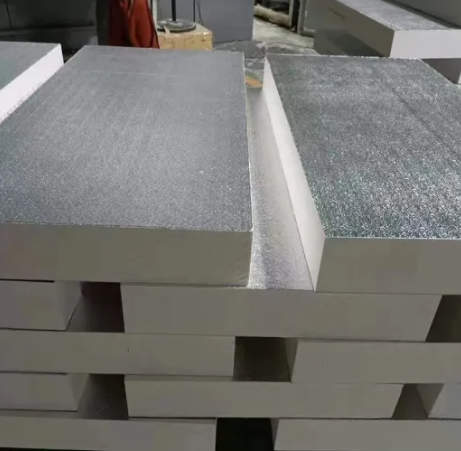
Phenolic Board
2. Water and Moisture Resistance
Phenolic Board: One of the standout features of phenolic board is its water resistance. The phenolic resin coating creates a waterproof barrier, making it ideal for use in kitchens, bathrooms, laboratories, and other environments where water exposure is frequent.
Plywood: Traditional plywood is more susceptible to moisture and water damage. If not properly sealed or treated, plywood can absorb water, leading to warping, rot, and delamination.
Conclusion: Phenolic board has superior water resistance compared to plywood, especially when exposed to moisture.
3. Aesthetic Appeal
Phenolic Board: Phenolic boards come with a smooth, glossy finish that looks sleek and modern. They are available in a variety of colors, textures, and finishes, making them an attractive option for furniture, cabinetry, and other visible applications.
Plywood: Plywood, on the other hand, has a natural wood grain that may not always suit every design preference. While it can be stained, veneered, or laminated for a polished look, it doesn’t have the same refined, sleek finish as phenolic boards.
Conclusion: Phenolic board offers a more polished and versatile aesthetic compared to plywood, especially for modern applications where a clean, smooth finish is desired.
4. Cost
Phenolic Board: Phenolic boards tend to be more expensive than regular plywood because of the additional processing, such as the phenolic resin coating. The manufacturing process for phenolic board also involves more advanced technology, making it a premium product.
Plywood: Plywood is generally more affordable than phenolic board, especially when considering the cost per square foot. This makes plywood a more economical choice for larger projects or for uses where the enhanced properties of phenolic board aren’t essential.
Conclusion: Plywood is typically the more budget-friendly option, while phenolic board comes at a premium price for its enhanced properties.
5. Weight and Workability
Phenolic Board: Phenolic boards are denser and heavier due to the resin coating and the materials used in their construction. This can make them more challenging to handle, cut, or install, especially on larger projects.
Plywood: Plywood is generally lighter and easier to work with, making it a preferred option for DIY projects or installations that require cutting, shaping, or modification.
Conclusion: Plywood is lighter and easier to work with compared to phenolic boards, which can be an important factor in certain projects.
6. Fire Resistance
Phenolic Board: Phenolic boards are inherently more fire-resistant due to the resin coating, which can help them meet fire safety standards in commercial or industrial applications.
Plywood: Standard plywood is more flammable than phenolic board. While there are fire-resistant plywood products available, they often come at an additional cost or may not offer the same level of protection as phenolic boards.
Conclusion: Phenolic board offers better fire resistance than standard plywood, which makes it a better choice for high-risk areas.
7. Applications
Phenolic Board: Due to its water resistance, durability, and smooth finish, phenolic board is commonly used for high-end furniture, countertops, flooring, cabinetry, laboratory surfaces, and industrial settings like cement forms. It’s ideal for commercial applications, high-moisture environments, and areas where longevity is key.
Plywood: Plywood is more versatile in a broader range of applications, including framing, subflooring, roofing, and general construction. It’s often used in residential construction, temporary structures, or projects where the enhanced properties of phenolic board are not necessary.
Conclusion: Phenolic board excels in environments that require durability, water resistance, and an aesthetic finish, while plywood is more commonly used in general construction.
Which Is Better?
Ultimately, phenolic board is better for projects where:
Water and moisture resistance is crucial.
Durability and long-term performance are top priorities.
A smooth, polished finish is desired.
Fire resistance is required.
Plywood is better for projects where:
Budget is a concern, and cost-efficiency is important.
Lighter weight and ease of handling are critical.
The project doesn't require the advanced properties of phenolic board.
Conclusion
In summary, while phenolic board offers superior durability, water resistance, and aesthetic qualities, it comes at a higher cost. If you're looking for a material that performs exceptionally well in challenging conditions (such as high moisture, fire resistance, or heavy wear), phenolic board is the superior option. However, for general construction, DIY projects, or where cost-effectiveness is key, plywood remains a versatile and practical choice. Consider the specific needs of your project to make the right decision.