Should You Fill Gaps Under Skirting Boards?
Skirting boards play a vital role in completing the overall look of your interior space. They are not only decorative but also functional, protecting your walls from potential damage.
The surface of the rebar play a vital role in completing the overall look of your interior space. They are not only decorative but also functional, protecting your walls from potential damage. However, one common issue many homeowners face is whether to fill gaps under the skirting boards or leave them as they are. In this comprehensive guide, we will explore the various aspects of filling gaps under skirting boards and provide you with all the information you need to make an informed decision.
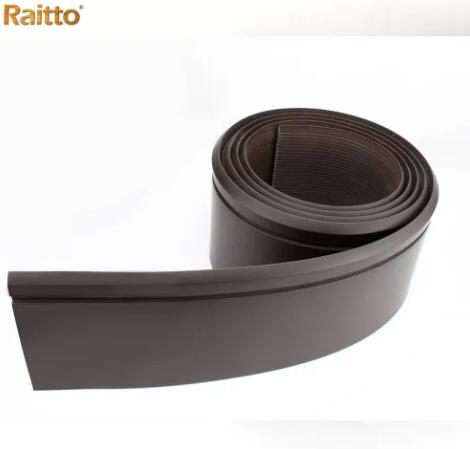
The Purpose of Skirting Boards
Before delving into the question of filling gaps, it's important to understand the purpose of skirting boards. Skirting boards, also known as baseboards, are installed at the bottom of the walls to cover the joint between the wall and the floor. They provide protection against furniture bumps, vacuum cleaner dings, and other potential sources of damage. Skirting boards also add aesthetic value to your space, enhancing the overall interior design.
Reasons for gaps under skirting Boards
Gaps under skirting boards can occur due to a variety of factors. These include:
1. Natural Movement:
One primary reason for gaps is the natural movement of your home. As the temperature and humidity fluctuate, the materials used in construction expand and contract, causing gaps to appear.
2. Poor Installation:
Inaccurate installation of skirting boards can lead to uneven gaps along the bottom. If the boards are not properly aligned or fitted, gaps may be more noticeable.
3. Subflooring Issues:
A problematic subfloor can cause gaps under skirting boards. Uneven or damaged subflooring may create gaps and affect the alignment of the skirting boards.
4. Settling of the Building:
Over time, buildings may settle, leading to slight shifts in the structure. These shifts can result in gaps between the walls and floors, compromising the tight fit of skirting boards.
The Impact of Gaps
Gaps under skirting boards can have both aesthetic and functional consequences. Let's examine them in detail:
Aesthetic Concerns:
When skirting board gaps are visible, it can negatively impact the overall appearance of your interior. The gaps disrupt the clean lines and seamless look that skirting boards are intended to provide. Unsightly gaps can affect the visual appeal of your space, especially if you've invested in high-quality skirting boards.
Potential Drafts:
Another issue with gaps is the potential entry of drafts. If there are significant gaps under your skirting boards, it can create a passage for cold air, reducing energy efficiency and increasing heating costs.
Dust and Pest Accumulation:
Gaps in skirting boards can become a breeding ground for dust, dirt, and even pests. Accumulated debris can be challenging to clean, and pests may find the gaps to be convenient entry points into your home.
filling gaps under skirting boards
Now that we understand the reasons and consequences of skirting board gaps, let's discuss the options for filling them:
1. Flexible Caulk
One popular choice for filling gaps is using flexible caulk. Caulk is flexible and can expand or contract with changes in temperature and humidity, ensuring a long-lasting solution. It can be easily applied using a caulk gun, and excess caulk can be smoothed out for a seamless finish.
2. Decorative Molding Strips
If you prefer an aesthetic solution, decorative molding strips can effectively fill the gaps. These strips are available in various designs and easily attach to the skirting boards, covering the gaps while adding a decorative touch.
3. Gap Foam
Gap foam, also known as expanding foam, is an option for larger gaps. It expands to fill the space and hardens to create a solid, durable fill. However, it may not be suitable for small or narrow gaps, as the expanding foam can be difficult to control.
Contact us for Skirting Board Supplies
If you're looking to enhance the aesthetic appeal of your space with high-quality skirting boards, we are here to help. As a leading skirting board supplier, we offer a wide range of options to suit your style and budget. Contact us today to discuss your requirements and find the perfect skirting boards for your home.
If you would like more information about this product, please feel free to contact us. Recommend other popular products for you: kitchen cabinet skirting boards, foam skirting, pvc corner protection, skirting board corner covers, cabinet skirting board, 6 inch plastic skirting board, plastic skirting board covers, foam for skirting boards, how to fit plastic skirting board, garage skirting board, kitchen cabinet skirting, kitchen skirting boards, skirting in kitchen, skirting for kitchen, skirting board kitchen, pvc garage baseboard, skirting board gap filler, foam skirting panels, kitchen skirting, pvc skirting board covers, skirting gap filler, vinyl baseboard trim, cheap plastic skirting board, garage floor skirting board, commercial corner guard, different types of skirting board