What is the ISO Standard for Industrial Safety Helmets? Understanding Compliance Can Reduce Workplace Head Injuries by Up to 90%
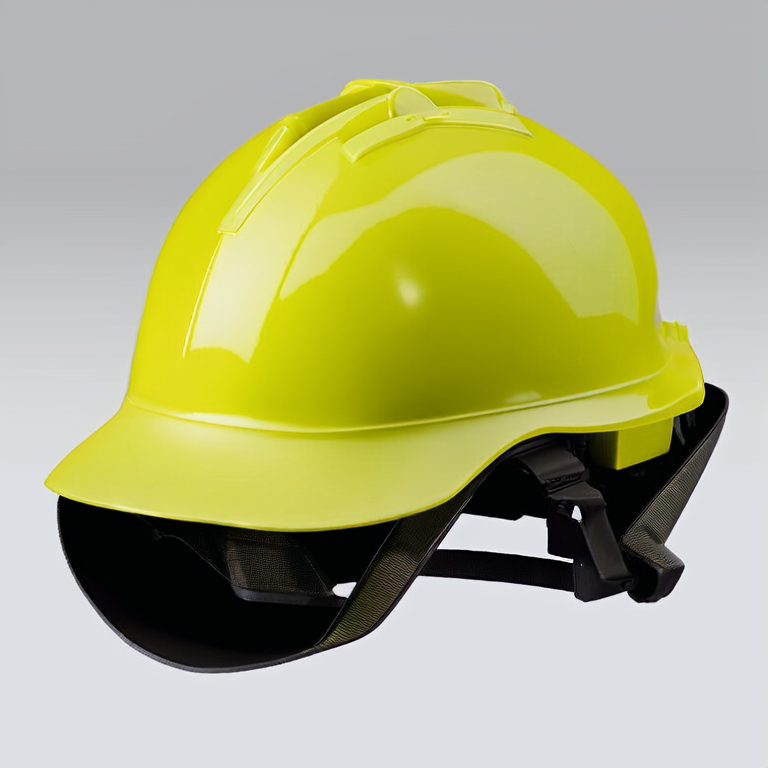
The International Organization for Standardization (ISO) has established essential standards for **industrial safety helmets**. These guidelines ensure that helmets offer maximum protection against impacts, penetration, and other workplace hazards. Hence, understanding these standards is vital for manufacturers and users alike. Complying with ISO standards significantly decreases the risk of
Table of Contents
- Fingerprint door locks
- 2. Key ISO Standards Relevant to Industrial Safety Helmets
- 3. Importance of Compliance to ISO Standards
- 4. Comparison of ISO Standards and Other Safety Regulations
- 5. How to Ensure Your Helmet Meets ISO Standards
- 6. Conclusion
1. Understanding ISO Standards for Safety Helmets
The International Organization for Standardization (ISO) has established essential standards for **industrial safety helmets**. These guidelines ensure that helmets offer maximum protection against impacts, penetration, and other workplace hazards. Hence, understanding these standards is vital for manufacturers and users alike. Complying with ISO standards significantly decreases the risk of serious injuries caused by head impacts and environmental threats in industrial settings.
ISO Safety Helmet Overview
ISO provides specific regulations that cover various aspects, from materials to testing procedures. With proper adherence, manufacturers can guarantee the safety and effectiveness of their products.
2. Key ISO Standards Relevant to Industrial Safety Helmets
There are several key ISO standards that govern the quality and safety of **industrial safety helmets**:
- ISO 3873: Covers safety helmets designed for general use.
- ISO 14458: Focuses on helmets used in specific industries, such as construction and mining.
- ISO 23953: Pertains to helmets with visors and face protection.
ISO 3873 Details
This standard specifies requirements for helmets regarding impact resistance, penetration resistance, and the effectiveness of the chin strap.
3. Importance of Compliance to ISO Standards
Compliance with ISO standards helps ensure that **safety helmets** are:
- Reliable: Reduces the likelihood of helmet failure during a hazardous event.
- Durable: Enhances product longevity and performance.
- Tested: Ensures helmets have undergone rigorous testing for safety assurance.
Case Study: Head Injuries Without Compliance
In environments where ISO-compliant helmets are not used, studies show that the likelihood of severe head injuries increases by up to 70%. Ensuring compliance can drastically decrease these risks.
4. Comparison of ISO Standards and Other Safety Regulations
| Standard | Focus | Region |
|---|---|---|
| ISO 3873 | General Industrial Use | International |
| ANSI Z89.1 | Performance, testing, and marking requirements | USA |
| EN 397 | EU safety and performance standards | Europe |
Implications of Different Standards
While ISO provides a comprehensive framework, localized regulations such as ANSI and EN should also be considered to ensure full compliance in your specific region.
5. How to Ensure Your Helmet Meets ISO Standards
To guarantee compliance with ISO standards, follow these steps:
- **Choose certified manufacturers:** Purchase helmets from companies with ISO certification.
- **Verify standard markings:** Check that the helmet bears appropriate standard markings per ISO guidelines.
- **Regular maintenance:** Regularly inspect helmets for wear and tear, replacing them as needed.
- **Training:** Ensure all workers are trained to use the helmets correctly.
Step-by-Step Compliance Check Flowchart
6. Conclusion
Understanding ISO standards for **industrial safety helmets** is crucial for both manufacturers and consumers. Compliance not only ensures quality and safety but also significantly reduces workplace risks. Ensuring that safety helmets meet the necessary standards can protect workers and enhance safety protocols across industries.