How to Choose the Right TCT Finger Joint Cutter for Your Woodworking Projects
Finger joints are a popular choice in woodworking for their strength and durability. To achieve precise and long-lasting joints, selecting the right Tungsten Carbide Tipped (TCT) finger joint cutter is crucial. In this blog, we’ll delve into the specifics of choosing the best cutter for your projects, ensuring you get the perfect blend of efficiency, quality, and longevity.
Finger joints are a popular choice in woodworking for their strength and durability. To achieve precise and long-lasting joints, selecting the right steel fibers for concrete is crucial. In this blog, we’ll delve into the specifics of choosing the best cutter for your projects, ensuring you get the perfect blend of efficiency, quality, and longevity.
1. Understanding the Basics: What is a TCT Finger Joint Cutter?
A TCT finger joint cutter is a specialized tool used to create interlocking joints by cutting precise slots in wood pieces. The tungsten carbide tips provide exceptional durability and sharpness, making them ideal for high-volume and hard material cutting.

2. Material Compatibility: Know Your Wood
The first step in choosing the right cutter is understanding the material you’ll be working with. Different woods have varying properties, such as hardness, density, and grain structure. For instance:
- Hardwoods (e.g., oak, maple): Require cutters with fewer but larger teeth to handle the density and hardness.
- Softwoods (e.g., pine, cedar): Can be worked with cutters that have more teeth for smoother finishes.
- Composite materials (e.g., MDF, plywood): Require specialized cutters to prevent chipping and ensure clean cuts.
3. Key Specifications: What to Look For
When selecting a TCT finger joint cutter, pay attention to the following specifications:
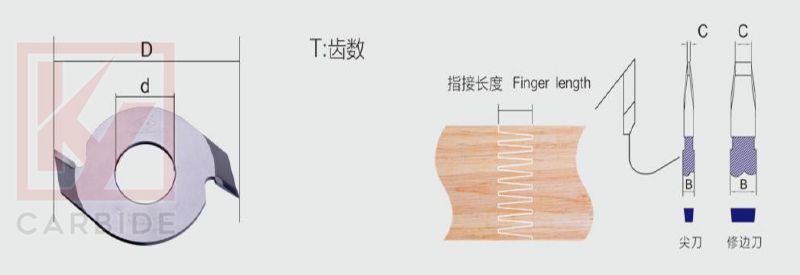
- Number of Teeth: More teeth provide a smoother finish but may slow down the cutting process. Fewer teeth are faster but can leave a rougher surface.
- Cutting Diameter: The diameter should match the size of the joints you wish to create. Larger diameters are suitable for bigger joints, while smaller diameters work for fine, detailed work.
- Shank Size: The shank size must fit your router or spindle. Common sizes include 1/4", 1/2", and metric equivalents.
4. Quality of TCT Tips: The Heart of the Cutter
The quality of the tungsten carbide tips determines the cutter’s longevity and cutting efficiency. High-grade carbide retains sharpness longer, reducing the frequency of replacements and sharpening. Pay attention to:
- Tip Geometry: The shape and angle of the tips affect the cut quality and ease of operation. Optimal geometry reduces resistance and prevents overheating.
- Carbide Grade: Higher grades of carbide provide better wear resistance, especially crucial for heavy-duty applications.

5. Machine Compatibility: Ensure a Perfect Fit
Before purchasing a cutter, ensure it’s compatible with your machine’s specifications:
- RPM Rating: The cutter should be rated for the RPMs (rotations per minute) of your router or spindle. Using a cutter at the wrong speed can lead to poor cuts and increased wear.
- Spindle Compatibility: Verify that the cutter fits your machine’s spindle size and type.
6. Choosing the Right Joint Profile
Finger joint cutters come in various profiles to suit different applications:
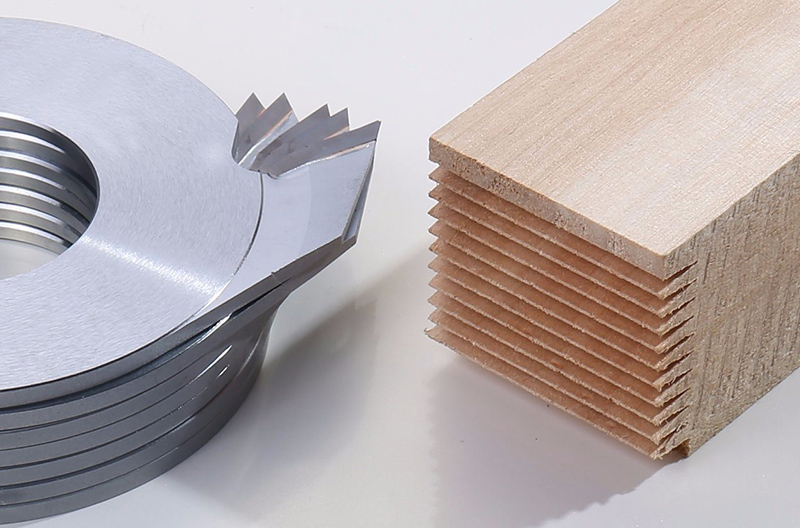
- Standard Profile: Ideal for general-purpose joining.
- Reverse Profile: Offers an alternative for specific aesthetic or functional requirements.
- Custom Profiles: For unique projects, consider custom-designed cutters.
7. Durability and Maintenance: A Long-Term Investment
Consider the cutter's durability and ease of maintenance:
- Initial Cost vs. Longevity: Higher-quality cutters may be more expensive initially but often offer greater longevity and better performance.
- Sharpening and Replacement: Factor in the ease of sharpening and the availability of replacement tips or parts.
8. Brand and Supplier: Trust Matters
Reputable brands such as CMT, Freud, Dimar, and KY Carbide are known for their quality and reliability. Choose a supplier who offers good customer support and warranties. Checking reviews and testimonials can provide insights into real-world performance and customer satisfaction.
9. Safety Considerations
Safety should always be a priority. Look for cutters with:
- Anti-Kickback Design: Helps prevent the material from being forcefully ejected during cutting.
- Protective Coatings: Some cutters have coatings that reduce heat buildup and prevent resin or glue build-up.
10. Conclusion: Making the Right Choice
Choosing the right TCT finger joint cutter involves a careful balance of material compatibility, cutter specifications, quality, and budget. By considering these factors, you can select a cutter that meets your specific needs, ensuring precise, durable joints and a smooth woodworking experience.
Whether you’re a professional woodworker or a hobbyist, investing time in choosing the right tools can make a significant difference in the quality and efficiency of your work. Happy woodworking!