Steel Structure Stadiums
Steel structure sports stadiums have evolved into multifunctional hubs, essential for hosting not only thrilling sports events but also a wide array of public activities. Their innovative design and durability herald exciting prospects for urban development and construction, enhancing community engagement and making them vital assets in modern cities.
Overview of Steel Structure Stadiums
Steel structure stadiums have carved out a significant place in modern sports facilities with their unique structure and aesthetically appearance. Here is a detailed introduction to steel structure stadiums:
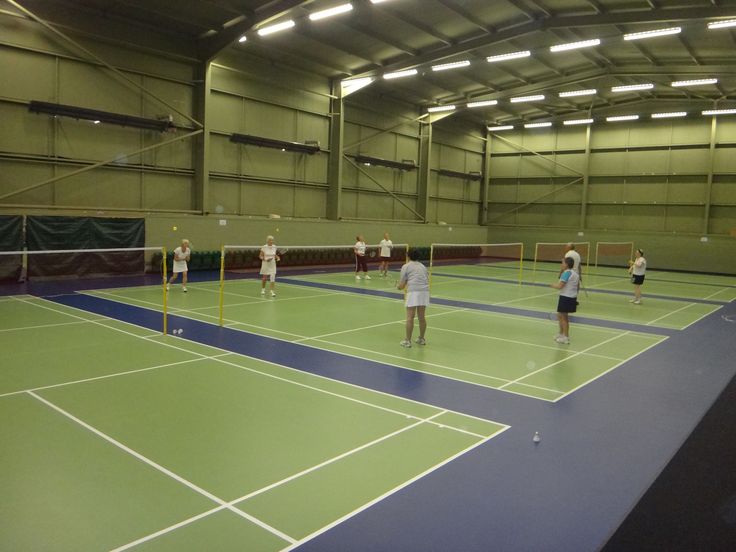
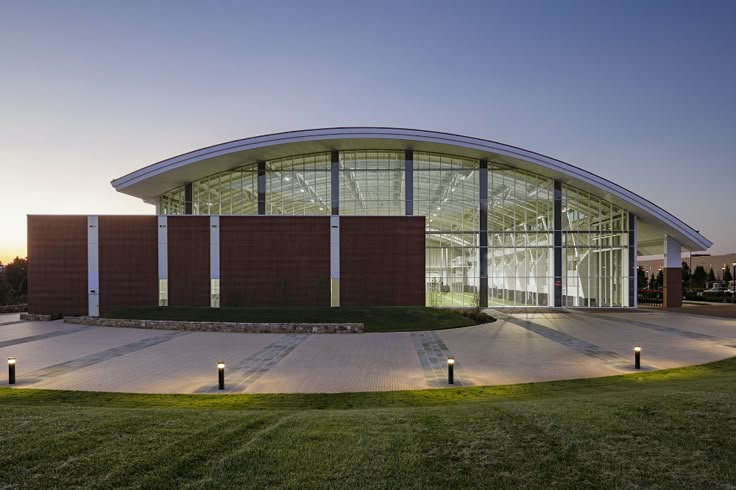
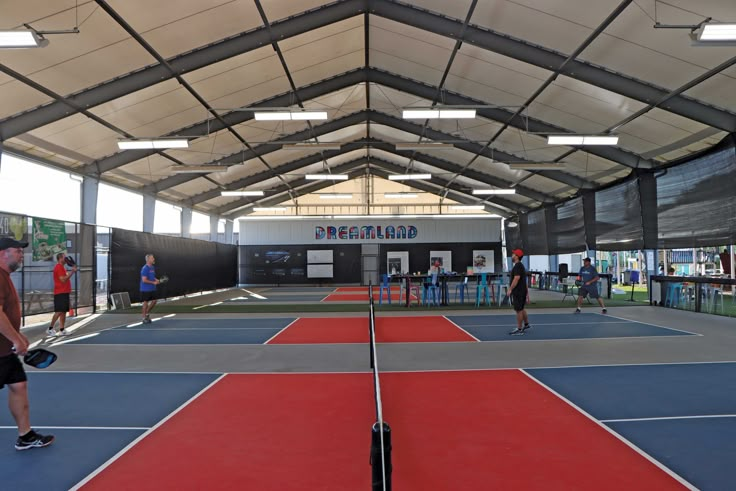
Definition and Application of Steel Structure Stadiums
A steel structure stadium refers to a sports venue where the main-bearing structure is constructed using steel. This structure not only has excellent seismic performance but also effectively resists wind pressure and snow load, ensuring the stability and safety. Steel structure stadiums are widely used for various large-scale sports events and public activities, such as the Olympic Games and the World Cup.
Advantages and Challenges of Steel Structure Stadiums
Advantages
- Excellent seismic performance: Steel structures have good seismic performance, effectively resisting natural disasters as earthquakes.
- Fast construction speed: Steel structure construction is fast, and a large number of components can be installed in a short period of time.
- Strong aesthetics: Steel buildings have diverse exterior designs, which can meet the needs of different architectural styles.
Challenges
- Fire prevention issues: Steel is prone to burning at high temperatures, and prevention treatment is needed to ensure safety.
- High maintenance costs: The maintenance cost of steel structure buildings is relatively high, and regular inspection and maintenance are required.
Future Development Trends
With the advancement of technology and the enhancement of environmental awareness, future steel structure sports stadiums will pay more attention to functionality,and environmental protection. For example, new materials and technologies will be used to improve the durability and weather resistance of the structure; intelligent management systems will be utilized to real-time monitoring and maintenance of building facilities; and the concept of green buildings will be integrated to reduce the impact on the environment.
In conclusion, as an important modern form, steel structure sports stadiums not only play an important role in sports events but also show broad prospects in public activities and urban development and construction.