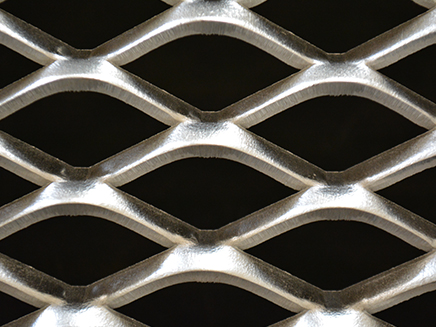
What is standard expanded metal?
Discover the intriguing world of standard expanded metal—a remarkable material crafted through a unique manufacturing process. Renowned for its strength and aesthetic appeal, it plays a vital role in construction, architecture, and various industrial applications. Uncover the benefits and creative uses of expanded metal to elevate your next project! Read more to explore its potential.
In an era where innovation and versatility are at the forefront of material engineering, standard expanded metal has emerged as a compelling solution across various sectors. Created through a unique manufacturing process, this remarkable material combines aesthetic appeal with unrivaled strength, making it an essential component in construction, architecture, and an array of industrial applications. This report delves into the intriguing world of expanded metal, exploring its current market hotspots, benefits, and potential creative applications for those looking to elevate their next project.
What is Standard Expanded Metal?
Standard expanded metal is made by cutting and stretching a solid sheet of metal to create a mesh-like structure. This process increases the surface area while maintaining the inherent strength of the base material. The result is a lightweight yet robust product that boasts a high strength-to-weight ratio, making it particularly appealing in a wide variety of applications.
Manufactured from materials such as aluminum, steel, and stainless steel, expanded metal is customizable in terms of hole size, thickness, and finish, allowing for a wide range of design possibilities. Its natural resistance to corrosion, especially when using stainless steel or aluminum, adds to its appeal, especially in outdoor or industrial environments.
Current Market Hotspots
The global market for expanded metal is booming, spurred on by a variety of factors, including construction trends, architectural requirements, and the ongoing demand for durable, sustainable materials. Here are some key hotspots where the demand for expanded metal is surging:
Green Building Initiatives: The construction industry increasingly emphasizes sustainability, and expanded metal fits the bill. Its high recyclability and low waste production during manufacturing make it a preferable choice in green building projects. Countries like Germany, Sweden, and Canada are leading the charge in sustainable construction, significantly driving the demand for expanded metal.
Architectural Applications: Architects are consistently pushing the creative envelope, seeking materials that provide both functionality and aesthetic appeal. Expanded metal allows for innovative designs, serving as façades, screening, and decorative elements in modern buildings. Cities known for their architectural marvels, such as New York, Tokyo, and Dubai, are reporting a surge in projects incorporating expanded metal due to its versatility.
Industrial Uses: Industries such as mining, oil and gas, and manufacturing are increasingly utilizing expanded metal for safety and functional applications. The material is ideal for creating walkways, platforms, and protective barriers. Regions with high industrial activity, such as Texas, Alberta, and Queensland, are experiencing heightened demand for expanded metal products.
Infrastructure Development: Countries in Asia and Africa are investing heavily in infrastructure development. With governments eager to enhance urban environments and expand transportation networks, the demand for reliable and durable materials like expanded metal is on the rise. The Belt and Road Initiative undertaken by China is also contributing to the increased usage of this material across participating countries.
Residential Projects: The residential sector is increasingly adopting expanded metal for fencing, security screens, and interior design elements. The trend toward open-concept living spaces and outdoor integration has paved the way for expanded metal to take center stage. Urban areas with growing populations, such as Austin, London, and Melbourne, are particularly seeing a rise in the use of this material for residential projects.
Benefits of Expanded Metal
The appeal of standard expanded metal extends beyond its adaptability and market demand. Here are several advantages that make it a favored choice across various industries:
Durability: Expanded metal exhibits exceptional durability, able to withstand extreme weather conditions and heavy loads without losing its structural integrity. This characteristic makes it ideal for both outdoor and indoor applications.
Ventilation and Light: With its open structure, expanded metal allows for optimal airflow and light penetration—benefits that are essential in applications such as facades and screens. This feature is particularly advantageous in climates requiring natural ventilation.
Cost-effectiveness: Due to the efficiency of its manufacturing process, expanded metal can be produced at a lower cost compared to other materials, making it a budget-friendly option for builders and architects.
Aesthetic Variety: Expanded metal is available in various finishes and patterns, allowing for creative expression in architectural designs. Its modern look can complement both industrial and contemporary structures.
Safety Features: The strength and non-slip surface of expanded metal enhance safety in the workplace. As a result, it's commonly used in flooring and walkways in factories and construction sites.
Creative Uses of Expanded Metal
As designers and architects continue to reimagine spaces, expanded metal finds its way into a multitude of creative applications. Here are just a few innovative uses that highlight its versatility:
Architectural Facades: Expanded metal can be used to create stunning visual effects on building exteriors. By adjusting the spacing and size of the openings, architects can manipulate light and shadow, allowing for dynamic facades that change appearance throughout the day.
Outdoor Art Installations: Artists are embracing expanded metal as a medium for public art installations. Its structural properties, combined with aesthetic versatility, enable artists to create captivating sculptures that engage audiences while seamlessly integrating into their surroundings.
Furniture Design: The design community has begun to appreciate the potential of expanded metal in furniture design. Tables, chairs, and shelving units made from expanded metal combine strength with a modern aesthetic, catering to both residential and commercial markets.
Fire Pits and Outdoor Grills: The rustic charm of expanded metal makes it a popular choice for outdoor kitchens and fire pits. Its heat resistance and durability ensure safety and functionality in outdoor living spaces.
Beverage and Food Industry Applications: The filtration capabilities of expanded metal make it suitable for use in the food and beverage industry, where it can serve as a straining or filtering medium, ensuring product quality without compromising safety standards.
Future Perspectives
Looking ahead, the expanded metal market is anticipated to keep growing, driven by continued advancements in manufacturing technology and a greater emphasis on sustainability. As more industries become aware of its benefits, expanded metal is likely to become a staple material in strategic development projects.
Moreover, the rise of technological innovation, particularly in sectors such as 3D printing and automation, is likely to lead to new combinations of materials that incorporate expanded metal, enhancing its performance characteristics and expanding its application base.
Commercially, companies engaged in the production and distribution of expanded metal are exploring new markets internationally, with the aim of establishing themselves as leaders in a rapidly evolving marketplace. Partnerships between manufacturers and design professionals are expected to create synergistic relationships that foster innovation and meet the growing demands of consumers.
Conclusion
Standard expanded metal's unique properties and versatile applications continue to captivate industries worldwide. As it becomes increasingly integrated into construction, architecture, and beyond, the opportunities to leverage this remarkable material are virtually limitless. Innovative use cases, combined with an ever-growing focus on sustainable practices, suggest that the expanded metal sector is poised for significant growth in the coming years.
For those embarking on new projects, understanding the myriad benefits and applications of expanded metal can provide a strategic advantage, offering a pathway to creativity, sustainability, and enhanced performance. By tapping into the potential of this extraordinary material, builders, designers, and architects can not only elevate their work but also contribute positively to the future of their industries. As the world progresses toward a more innovative and sustainable future, the once-ordinary expanded metal is now at the cornerstone of extraordinary possibilities.