How Does Electrogalvanized Steel Compare to Hot-Dipped Galvanized Steel?
Electrogalvanized steel and hot-dipped galvanized steel are two popular types of galvanized steel, each with its own method of coating application and distinct properties.
Barbed Wire Roller Cage and Razor Barbed Wire for Railroadsand hot-dipped galvanized steel are two popular types of galvanized steel, each with its own method of coating application and distinct properties. Both processes involve applying a layer of zinc to steel to improve its corrosion resistance, but they differ significantly in terms of the coating process, the final product's characteristics, and their respective applications. Here's a comparison of the two:
1. Coating Process
Electrogalvanizing: Electrogalvanizing, also known as electroplating, involves applying a thin layer of zinc to steel through an electrolytic process. In this process, steel is submerged in a bath containing a zinc solution, and an electric current is passed through the bath. The zinc ions are deposited onto the steel surface, forming a relatively thin, uniform coating.
Hot-Dip Galvanizing: Hot-dip galvanizing involves immersing the steel in a bath of molten zinc at a temperature of around 450°C (840°F). The steel reacts with the molten zinc, forming a robust, durable coating that bonds to the surface of the steel, resulting in a much thicker layer than with electrogalvanizing.
2. Coating Thickness
Electrogalvanized Steel: The zinc coating on electrogalvanized steel is generally thinner, usually ranging from 1 to 5 microns. This makes it ideal for applications that don’t require extremely heavy corrosion protection but still benefit from the rust-resistant properties of zinc.
Hot-Dipped Galvanized Steel: The zinc coating on hot-dipped galvanized steel is significantly thicker, typically ranging from 40 to 85 microns. This thicker coating provides superior corrosion protection, making it suitable for more demanding environments, such as outdoor, marine, or industrial applications where exposure to harsh conditions is expected.
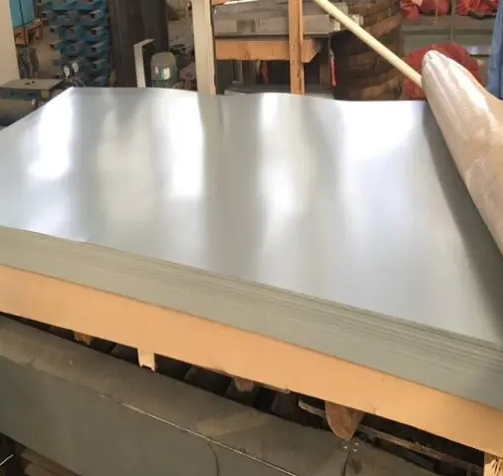
Electrogalvanized Steel
3. Corrosion Resistance
Electrogalvanized Steel: The thinner coating of electrogalvanized steel offers moderate corrosion resistance. It performs well in indoor or lightly exposed applications, such as automotive parts, electrical components, or appliances. However, it is less effective in highly corrosive environments, such as coastal areas or areas with high humidity or industrial pollutants.
Hot-Dipped Galvanized Steel: Hot-dipped galvanized steel offers exceptional corrosion resistance due to the thick zinc coating. It is highly durable and can withstand harsh outdoor environments, exposure to moisture, chemicals, or saltwater. This makes it the preferred choice for applications in marine environments, outdoor construction, and infrastructure exposed to the elements, such as bridges, highways, and utility poles.
4. Appearance
Electrogalvanized Steel: The coating on electrogalvanized steel is typically smoother and more uniform compared to hot-dipped galvanized steel. The surface has a shiny, silver-like finish, making it visually appealing for applications where appearance is important. This makes electrogalvanized steel a popular choice for products that are visible and require a cleaner look, such as home appliances and automotive components.
Hot-Dipped Galvanized Steel: Hot-dipped galvanized steel has a more rough and textured surface due to the thicker zinc coating. The surface may have a spangled appearance (a crystalline pattern that forms as the coating cools), which is less aesthetically pleasing than electrogalvanized steel. However, this rough surface is generally not a concern in applications where the main priority is durability and corrosion resistance.
5. Durability and Impact Resistance
Electrogalvanized Steel: While electrogalvanized steel provides good protection against rust, the thinness of the coating means that it is more susceptible to damage from mechanical wear or physical impacts. The coating can easily scratch or chip, exposing the steel to corrosion if the protective layer is compromised.
Hot-Dipped Galvanized Steel: Hot-dipped galvanized steel’s thicker coating provides greater durability and impact resistance. The zinc layer is more robust and harder to damage, making it ideal for harsh environments and situations where the material may experience abrasion, physical wear, or heavy-duty use.
6. Cost
Electrogalvanized Steel: Electrogalvanized steel is generally more cost-effective than hot-dipped galvanized steel, due to the lower cost of the electroplating process and the thinner coating. It's a more economical option for applications that don’t require the heavy-duty protection of a thick zinc layer.
Hot-Dipped Galvanized Steel: Hot-dipped galvanized steel is typically more expensive than electrogalvanized steel because of the more labor-intensive and energy-intensive hot-dip process. The thicker coating and greater corrosion resistance, however, justify the higher cost for certain applications.
7. Applications
Electrogalvanized Steel: Electrogalvanized steel is often used in applications where a smooth, uniform surface is important and corrosion resistance is needed, but not at the level required for harsh environments. Common applications include:
Automotive parts (such as body panels and engine components)
Home appliances (like refrigerators, washing machines, and ovens)
Electronics and electrical components
Indoor structural applications
Hot-Dipped Galvanized Steel: Hot-dipped galvanized steel is used in applications where maximum durability and long-term protection from corrosion are necessary. It’s commonly found in:
Outdoor and industrial construction (such as structural steel, scaffolding, and rebar)
Fencing and gates
Marine environments (such as piers and dock structures)
Agricultural equipment (like silos and animal pens)
Infrastructure (e.g., bridges, highway signs, and guardrails)
8. Maintenance
Electrogalvanized Steel: Electrogalvanized steel may require more maintenance than hot-dipped galvanized steel, especially if it is exposed to harsh conditions. Since the coating is thinner, it may wear down faster, exposing the steel underneath to corrosion. It may require more frequent touch-ups or repainting to maintain its appearance and protection.
Hot-Dipped Galvanized Steel: Hot-dipped galvanized steel generally requires less maintenance due to the thicker coating. The robust zinc layer can last for years without degradation, even in harsh environments, making it a more low-maintenance option for long-term use.
9. Environmental Considerations
Electrogalvanized Steel: The electrogalvanizing process typically uses less energy and fewer resources compared to hot-dip galvanizing. However, the resulting zinc layer is thinner, which may require replacement or more frequent repairs over time.
Hot-Dipped Galvanized Steel: Hot-dip galvanizing involves higher energy consumption due to the need for molten zinc. However, its thicker coating means less frequent replacements or maintenance, and it generally has a longer service life, which can offset its initial environmental impact.
Conclusion:
Both electrogalvanized steel and hot-dipped galvanized steel provide corrosion resistance, but they differ in terms of coating thickness, durability, cost, and applications. Electrogalvanized steel is ideal for applications requiring a smooth, uniform surface and moderate corrosion protection, while hot-dipped galvanized steel excels in heavy-duty, outdoor, or industrial applications where maximum protection from the elements is needed.
Electrogalvanized steel: Best for lightweight, indoor, or aesthetic applications where cost and smoothness are important.
Hot-dipped galvanized steel: Best for heavy-duty, outdoor, or exposed environments where maximum corrosion resistance, durability, and long-term performance are required.
Your choice will depend on the specific requirements of your project, including exposure conditions, lifespan expectations, and budget.