Should you put woven or non-woven under gravel?
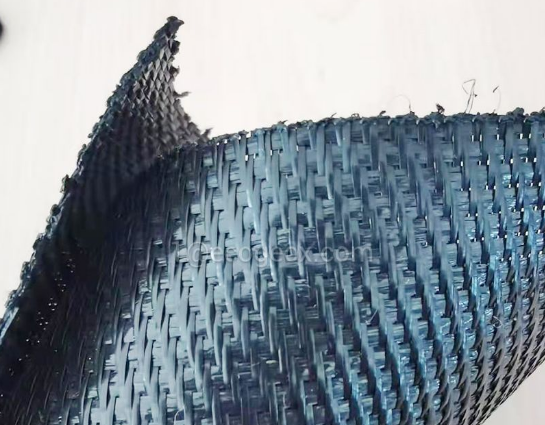
Woven geotextile is a type of fabric made from polypropylene or polyester yarns that are woven together to create a strong, durable material. It is most commonly used in high-stress applications such as roads and bridges
If you're planning on using a gravel bed for landscaping or construction purposes, you may be wondering whether you should use woven or non-woven fabric underneath. Both have their pros and cons, but which is the best choice for your needs? In this article, we'll explore the differences between woven and non-woven fabrics and help you make an informed decision.
Can I Pick Vinyl Flooring for My Bedroom and Why: Benefits and Drawbacks
Woven geotextile is a type of fabric made from polypropylene or polyester yarns that are woven together to create a strong, durable material. It is most commonly used in high-stress applications such as roads and bridges, where it can help prevent soil erosion and stabilize the ground. Woven geotextile is also a popular choice for gravel beds because it allows water to pass through while keeping the soil and gravel separate. This helps prevent soil contamination and allows for better drainage.
However, woven geotextile can be more expensive than non-woven fabric, and it may not be the best choice for every application. Because of its durability, it may be overkill for smaller projects that don't require as much strength and stability.
Non-Woven Geotextile: Benefits and Drawbacks
Non-woven geotextile, on the other hand, is made from synthetic fibers that are bonded together rather than woven. This creates a less durable but more flexible material that is easier to work with and less expensive than woven geotextile.
Non-woven fabric is a great choice for smaller projects where the ground is relatively stable and less prone to erosion. It is also a popular choice for garden beds, where it can help improve soil quality and prevent weeds from growing.
However, non-woven fabric may not be strong enough to withstand heavy foot traffic or vehicular traffic, making it a poor choice for roads and driveways. It also does not offer as much separation between the soil and gravel as woven fabric, so it may not be the best choice for areas where soil contamination is a concern.
Which Should You Choose?
When deciding whether to use woven or non-woven geotextile under gravel, there are a few factors to consider. The first is the size of your project and the amount of stress it will be under. If you're building a road or bridge, or if your gravel bed will be supporting heavy equipment or vehicles, woven fabric is likely the better choice.
The second factor to consider is the level of soil contamination in your area. If there is a high risk of contamination, woven fabric is the best choice, as it provides the most separation between the soil and the gravel. Non-woven fabric may be a good choice for smaller projects or areas where there is less risk of contamination.
Finally, consider your budget and the ease of installation. Woven geotextile is more expensive but may save you money in the long run by providing greater durability. Non-woven fabric is less expensive but may require more frequent replacement, depending on the application.
Closing Thoughts
At the end of the day, the choice between woven and non-woven geotextile under gravel comes down to your needs and priorities. If you're not sure which is the best choice for your project, consult with a professional or supplier who can help you make an informed decision.
If you need quality Geotextile Fabric, consider contacting EcoGeoX. Their Non Woven Geotextile and Woven Geotextile products are both high-quality and suitable for a variety of applications. With their expertise and experience, they can help you find the right solution for your project.
The key to our success is"High-quality products or services, reasonable prices and efficient services" for Non Woven Geotextile,Geosynthetics Clay Liner Manufacturer,Geocomposite Exporter,Non Woven Geotextile,geogrid mesh,Concrete Protective Liners,Biaxial Geogrid Mesh